
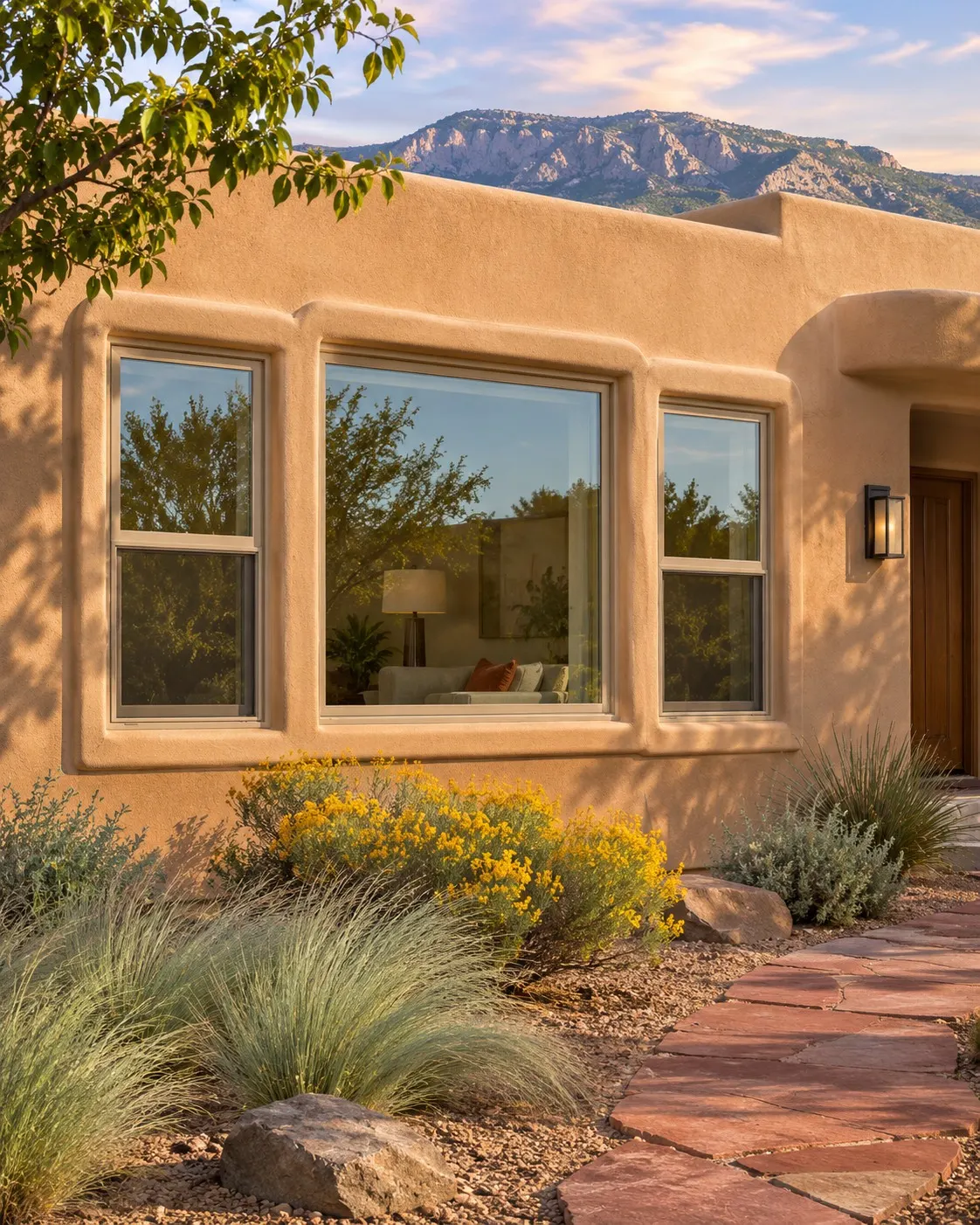
Why old aluminum windows feel so bad
Aluminum is a superb conductor of heat. Older aluminum windows were built without a thermal break, meaning nothing interrupts the metal between the outside and inside. In January, the inside of the frame gets nearly as cold as the outside air. Moisture in the room condenses on it, runs down, and puddles on the sill, which is why so many Heights homes have stained or rotted sills under their windows. In July, the frame heats up and radiates warmth into the room.
Add single-pane glass (common until the 1980s), or early dual-pane glass with long-failed seals, plus tracks worn smooth and weatherstrip turned to dust, and you have a window that does little more than let light in.
Signs it's time
- Water dripping or puddling on sills on cold mornings.
- Black mildew spots on the sill or drywall below the window.
- Sashes that rattle in the wind or jump the track.
- Latches that don't catch, or don't exist anymore.
- Single-pane glass, or fog between double panes.
- You can feel a breeze with the window closed.
Insert or full-frame for aluminum?
Many old aluminum frames are still solid metal, which makes them a decent base for an insert window. The old sashes come out, the frame is cleaned, and a new vinyl or fiberglass window sets inside it with a flange covering the metal outside. That's quick and keeps costs down.
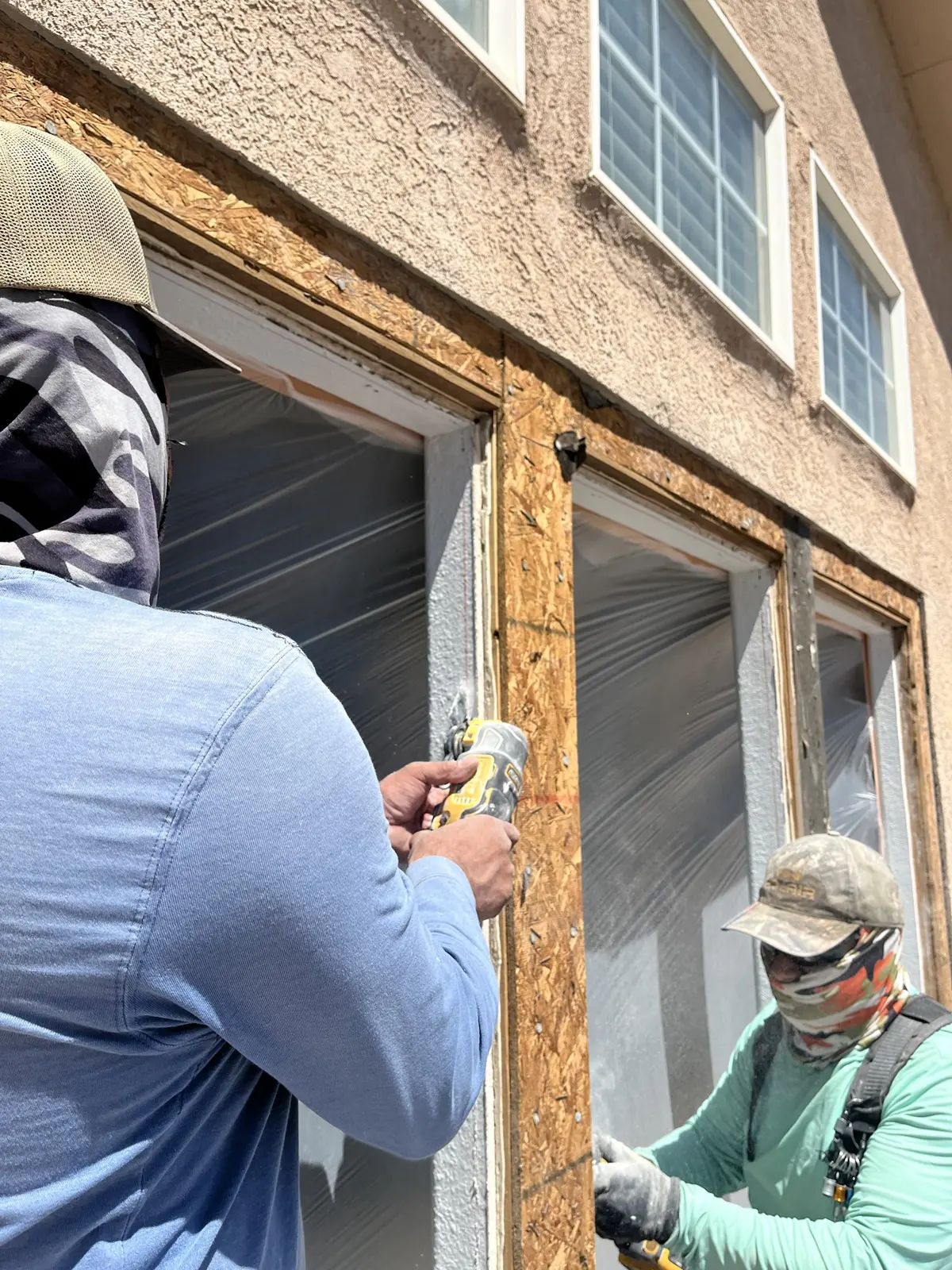
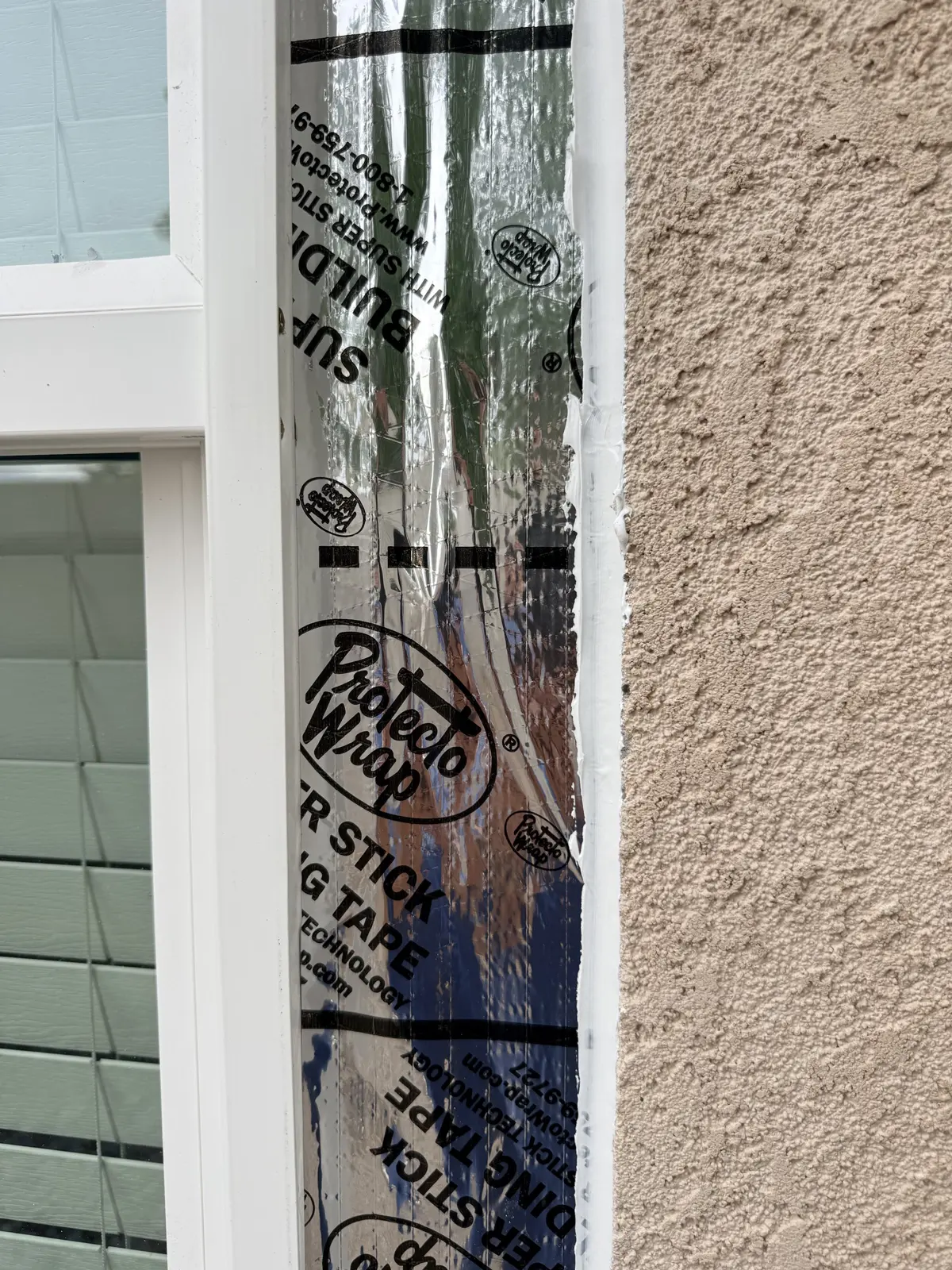
The catch is the sill. If years of condensation have rotted the wood beneath or behind the aluminum frame, an insert would sit on damaged material. Where we see staining, softness or stucco cracks under the window, we recommend full-frame replacement so the damage can be fixed and the opening properly flashed.
What replaces it
Most homeowners choose vinyl, which insulates dramatically better than old aluminum and costs the least. If you like the dark bronze look of your original windows, bronze-exterior fiberglass or composite keeps that look while performing like a modern window. Either way, Low-E dual-pane glass with warm-edge spacers ends the winter sweating.
What changes afterward
The first cold morning after replacement, homeowners notice dry sills. Then they notice they can sit near the window without a blanket. In summer, west rooms stop radiating heat. And the windows open, close and lock like they're supposed to.
Patio doors too
Houses with original aluminum windows usually have an original aluminum patio door. It has all the same problems, only bigger. Replacing it along with the windows keeps everything matched and fixes the biggest draft in the house.
Repairing the sills
Years of winter drips often leave aluminum-window sills stained, swollen or moldy. With the new windows in, we repair or replace damaged interior sills and drywall returns so the room looks finished, not just the window.
Albuquerque homeowners want to know
Why do my aluminum windows drip water in winter?
The metal frame and single or failed glass get cold enough for indoor moisture to condense on them. Modern insulated frames and glass stay warm enough to prevent most of it.
Can I keep the bronze look?
Yes. Bronze-exterior fiberglass or composite windows keep the look of original bronze aluminum with modern performance.
Can new windows go into my old aluminum frames?
Often, if the frames are sound and the sill hasn't been damaged by years of condensation. We check each one.